

Here's what to prepare at home when a loved one returns from the hospital: **For Comfort and Ease:** * **Clean and Tidy Space:** Ensure the house is clean and clutter-free, especially the areas where they will be spending most of their time (bedroom, living room). * **Comfortable Bedding:** Fresh, clean sheets and extra pillows can make a big difference. Consider pillows for support if they need to sit up. * **Easy Access to Essentials:** Keep items they might need within easy reach: * Water bottles or a pitcher of water with a cup. * Medications (clearly labeled and organized). * Phone, charger, and remote controls. * Books, magazines, or other entertainment. * Tissues, hand sanitizer, and any personal care items. * **Accessible Bathroom:** Make sure the bathroom is easy to navigate. Consider a shower chair or grab bars if recommended by medical staff. Have towels readily available. * **Designated Resting Spots:** Create comfortable places for them to rest throughout the day, whether it's a favorite armchair or a sofa with pillows. **For Nutrition and Hydration:** * **Pre-prepared Meals:** Have some easy-to-reheat or no-cook meals ready. Think soups, casseroles, pre-portioned leftovers. * **Easy Snacks:** Stock up on simple, nutritious snacks like fruit, yogurt, crackers, and nuts. * **Hydrating Drinks:** Have along with water, consider juices or electrolyte drinks if recommended. **For Practical Needs:** * **Comfortable Clothing:** Have soft, loose-fitting clothes ready. Pajamas, loungewear, and easy-to-put-on outfits are ideal. * **Slippers or Non-slip Socks:** For safety. * **Any Prescribed Medical Equipment:** Ensure any crutches, walkers, braces, or other equipment are in place and accessible. * **Waste Bin:** Keep a trash can nearby for easy disposal of tissues, wrappers, etc. **For Support and Well-being:** * **Calm Environment:** Try to keep the atmosphere calm and quiet, especially during the initial recovery period. * **Plan for Visitors:** Decide if and when you want visitors. Communicate this clearly to friends and family to avoid overwhelming the patient. * **Patience and Understanding:** Recovery takes time. Be prepared to offer emotional support and understanding. * **Know the Discharge Instructions:** Familiarize yourself with the doctor's instructions, including medication schedules, activity restrictions, and signs to watch for. It's always a good idea to discuss specific needs with the person recovering and/or their healthcare provider before they come home.
Prepare your home for a loved one after hospital discharge. See which assistive devices facilitate recovery and when renting medical equipment is the best solution.
Here's what to prepare at home when a loved one returns from the hospital: **For Comfort and Ease:** * **Clean and Tidy Space:** Ensure the house is clean and clutter-free, especially the areas where they will be spending most of their time (bedroom, living room). * **Comfortable Bedding:** Fresh, clean sheets and extra pillows can make a big difference. Consider pillows for support if they need to sit up. * **Easy Access to Essentials:** Keep items they might need within easy reach: * Water bottles or a pitcher of water with a cup. * Medications (clearly labeled and organized). * Phone, charger, and remote controls. * Books, magazines, or other entertainment. * Tissues, hand sanitizer, and any personal care items. * **Accessible Bathroom:** Make sure the bathroom is easy to navigate. Consider a shower chair or grab bars if recommended by medical staff. Have towels readily available. * **Designated Resting Spots:** Create comfortable places for them to rest throughout the day, whether it's a favorite armchair or a sofa with pillows. **For Nutrition and Hydration:** * **Pre-prepared Meals:** Have some easy-to-reheat or no-cook meals ready. Think soups, casseroles, pre-portioned leftovers. * **Easy Snacks:** Stock up on simple, nutritious snacks like fruit, yogurt, crackers, and nuts. * **Hydrating Drinks:** Have along with water, consider juices or electrolyte drinks if recommended. **For Practical Needs:** * **Comfortable Clothing:** Have soft, loose-fitting clothes ready. Pajamas, loungewear, and easy-to-put-on outfits are ideal. * **Slippers or Non-slip Socks:** For safety. * **Any Prescribed Medical Equipment:** Ensure any crutches, walkers, braces, or other equipment are in place and accessible. * **Waste Bin:** Keep a trash can nearby for easy disposal of tissues, wrappers, etc. **For Support and Well-being:** * **Calm Environment:** Try to keep the atmosphere calm and quiet, especially during the initial recovery period. * **Plan for Visitors:** Decide if and when you want visitors. Communicate this clearly to friends and family to avoid overwhelming the patient. * **Patience and Understanding:** Recovery takes time. Be prepared to offer emotional support and understanding. * **Know the Discharge Instructions:** Familiarize yourself with the doctor's instructions, including medication schedules, activity restrictions, and signs to watch for. It's always a good idea to discuss specific needs with the person recovering and/or their healthcare provider before they come home.
The moment a loved one returns home from the hospital is often filled with many questions. The family wants to help, but sometimes it's unclear exactly how to organize home care. Especially when the person is recovering after surgery, a stroke, or an injury, the environment needs to be safer and more convenient.
Good preparation can significantly ease daily life – for both the patient and the people caring for them. A few practical things can make this period much calmer.
Provide a comfortable and safe place to rest
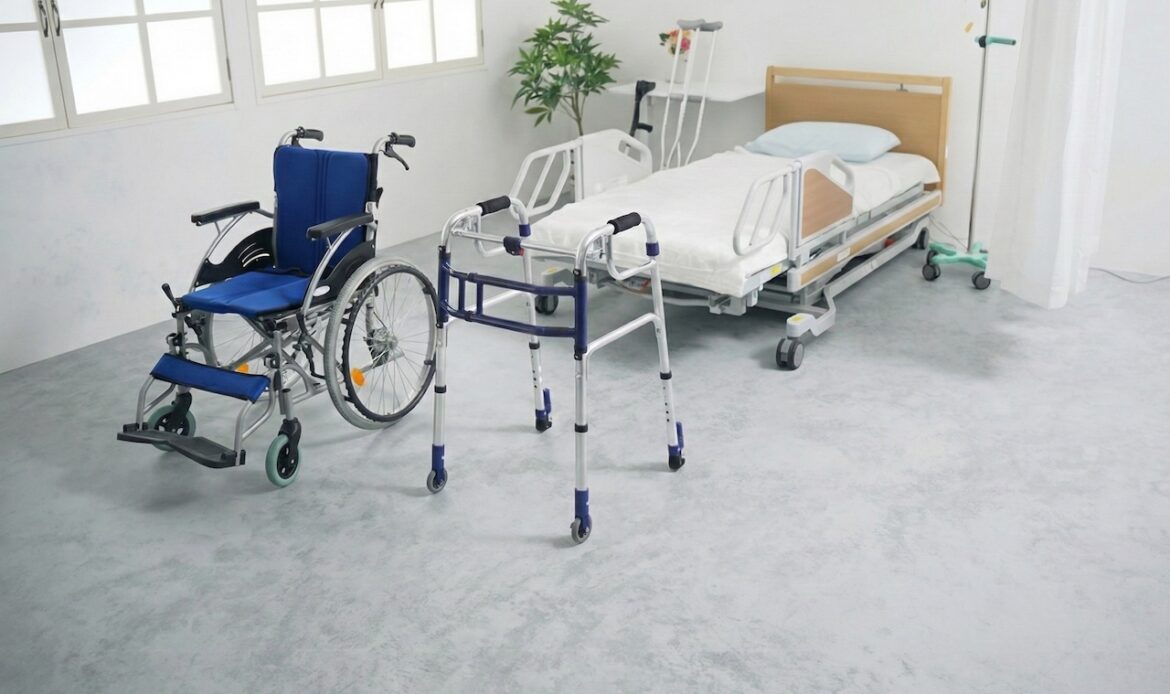
One of the most important things is for a person to have a suitable place to rest. For people with limited mobility, a regular bed is often not comfortable or practical enough.
Medical beds allow for body positioning and facilitate both the patient and their care. This is especially important for people who spend a lot of time in a lying position.
In many cases, families choose Rent a medical bed, when the need is temporary – for example, during post-operative recovery.
Consider pressure ulcer prevention
When a person spends a long time in bed, there is a risk of so-called bedsores (pressure ulcers). They appear with prolonged pressure on certain parts of the body.
That's why doctors often recommend using Anti-decubitus mattress. It distributes pressure on the body and helps reduce the risk of such complications.
This type of mattress is most often used with a medical bed when the patient spends longer periods lying down.
Make getting around at home easier
Recovery often means that a person cannot move as they did before. Even a short distance at home can be difficult.
Depending on the condition, it may be helpful to use aids such as:
- Wheelchair
- walker
- Rollerator
They help the patient move more safely and reduce the risk of falling.
Provide more comfortable daily care
Caring for someone in recovery can sometimes be physically demanding for loved ones as well. The right equipment can significantly ease daily routines.
For example, a medical bed allows for easier patient lifting, repositioning, and more comfortable care.
That's why many families prefer temporarily hire the necessary aids, while the person recovers.
Home care equipment rental
„Care + is a Bulgarian company based in Sofia, which offers rental and sale of medical aids for home care. Among them are medical beds, anti-decubitus mattresses, wheelchairs and other assistive devices.
The company serves clients in Sofia and Sofia Oblast and helps families find a suitable solution according to their specific situation.
Sometimes a brief consultation can help you choose the most suitable equipment for your home recovery.
Conclusion
Preparing your home after hospital discharge can make your recovery period much smoother. The right equipment helps the patient feel more comfortable and makes it easier for loved ones to provide care.
The most important thing is to create safe and comfortable environment, which aids recovery.
If you're unsure what equipment is needed, the team at Care + can help with information and guidance.
